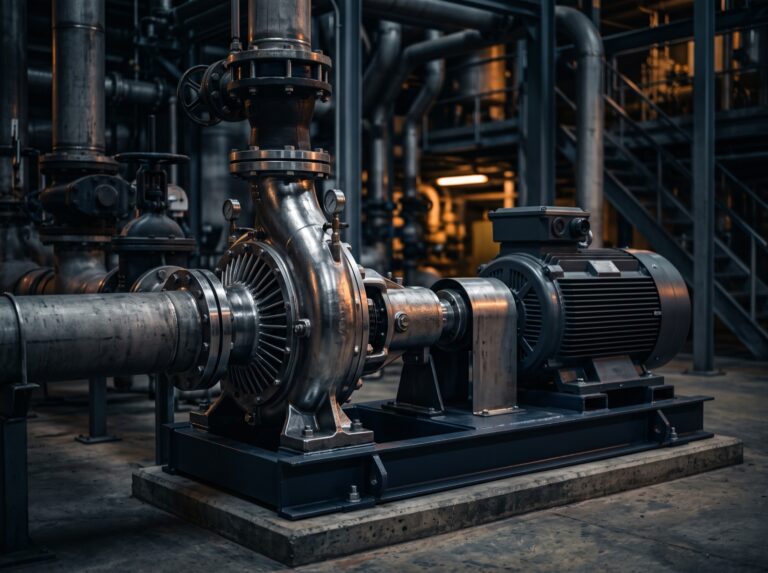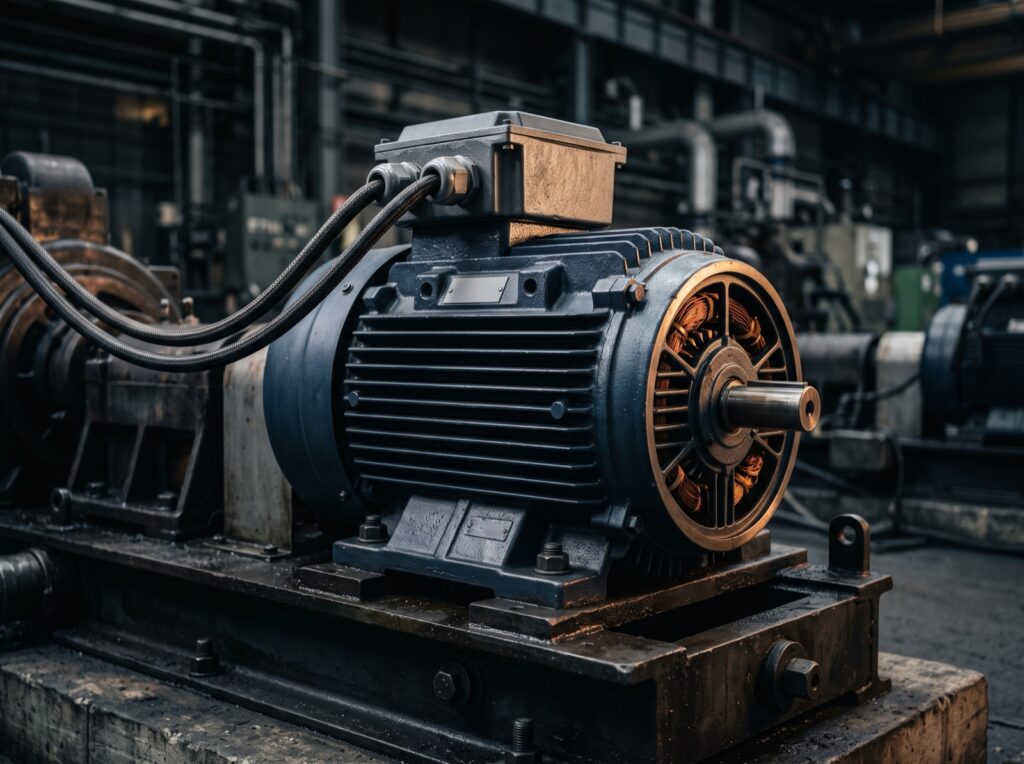
Electric motors account for a significant portion of energy consumption in industrial facilities. The right motor selection and efficient use provide serious energy savings and low operating costs in the long term.
1. Efficiency Classes
Electric motors differ according to efficiency classes (IE2, IE3, IE4). A higher efficiency class, although it creates a small difference in the initial investment, noticeably lowers the energy bill over the operating life.
2. The Right Power and Speed
Selecting the right power (kW) and speed (rpm) according to the application’s needs is critical. An oversized motor leads to both energy waste and inefficient operation; an undersized motor becomes overloaded.
3. Use of Drives (Frequency Inverters)
Adjusting motor speed to demand with frequency inverters can provide 30-50% energy savings, especially in pump and fan applications.
4. Load Matching and Operating Point
The point at which a motor operates most efficiently is generally in the 75-100% range of nominal load. Selecting the motor to operate in this range increases efficiency.
5. Maintenance and Monitoring
Bearing lubrication, alignment and temperature monitoring extend motor life and prevent efficiency loss.
A high-efficiency motor repays savings far above its purchase cost over its lifetime.
Conclusion
The right efficiency class, power, speed and drive selection reduce energy costs. Get in touch with us for an electric motor solution that fits your needs.